

ABT Practice Test
Updated October 2026The American Board of Toxicology administers the certification examination to identify and recognize individuals who demonstrate a high level of knowledge and competence in the field of toxicology. Practice with the free ABT - American Board of Toxicology practice test on PracticeTestGeeks (7 questions with answer explanations).
Free ABT - American Board of Toxicology Study Tools
Interactive ABT - American Board of Toxicology resources on PracticeTestGeeks, free to start:
- ABT - American Board of Toxicology flashcards — review key terms and concepts card by card
- ABT - American Board of Toxicology study guide — topic-by-topic overview of what the exam covers
- ABT - American Board of Toxicology cheat sheet — one-page printable summary for last-minute review

ABT Practice Test Questions
Prepare for the ABT - American Board of Toxicology exam with our free practice test modules. Each quiz covers key topics to help you pass on your first try.
ABT Clinical Toxicology
ABT Exam Questions covering Clinical Toxicology. Master ABT Test concepts for certification prep.
ABT Environmental Toxicology
Free ABT Practice Test featuring Environmental Toxicology. Improve your ABT Exam score with mock test prep.
ABT Forensic Toxicology
ABT Mock Exam on Forensic Toxicology. ABT Study Guide questions to pass on your first try.
ABT Occupational Toxicology
ABT Test Prep for Occupational Toxicology. Practice ABT Quiz questions and boost your score.
ABT Reproductive and Developmental Toxicology
ABT Questions and Answers on Reproductive and Developmental Toxicology. Free ABT practice for exam readiness.
ABT Toxicokinetics and Metabolism
ABT Mock Test covering Toxicokinetics and Metabolism. Online ABT Test practice with instant feedback.
ABT Methods in Toxicology
Free ABT Quiz on Methods in Toxicology. ABT Exam prep questions with detailed explanations.
ABT Nutritional Toxicology
ABT Practice Questions for Nutritional Toxicology. Build confidence for your ABT certification exam.
ABT Exam Flashcards
Quick review for the American Board of Toxicology Exam
🧪What is the primary purpose of the ABT Exam?
The primary purpose of the ABT Exam is to certify that a toxicologist has demonstrated the knowledge and competence required to be a Diplomate of the American Board of Toxicology (DABT).
START ABT PRACTICE TEST🧬What does DABT stand for?
DABT stands for Diplomate of the American Board of Toxicology, a prestigious credential in the field of toxicology.
GET ABT EXAM PREP🔬How often is DABT recertification required?
Recertification for the DABT credential is required every five years to ensure continued competence in the field.
REVIEW ABT QUESTIONS💊What domains are covered in the ABT Exam?
The ABT Exam covers domains such as Toxic Agents, Disposition and Effects, Systemic Toxicology, and Methods and Principles.
TRY ABT MOCK EXAM🩸What is LD50?
LD50, or Lethal Dose 50, is the amount of a substance required to kill 50% of a test population, a standard metric in toxicology.
ACCESS ABT STUDY GUIDE🧠Is a PhD required for the ABT Exam?
A doctoral degree is one pathway, but candidates with a master's or bachelor's degree plus significant relevant experience can also qualify.
PRACTICE ABT TEST NOWABT Exam Study Guide
Our comprehensive ABT Study Guide breaks down essential information about the certification process. From registration to results, get all the details you need for your DABT Certification journey.
ABT Score Calculator
Total Scored Questions
150
105 out of 150 correct
70%
Required to Pass: ~70% (Estimated)
Many employers reimburse the ABT Exam fees and study material costs, as having certified toxicologists on staff adds significant value to their organization.

ABT Test Day Checklist
- ✓Valid Govt. ID
- ✓Confirmation Email
- ✓Arrive 30 Min Early
- ✓Review Exam Rules
- ✓Leave Electronics
- ✓Comfortable Clothing
- ✓Water/Snacks (Locker)
- ✓Positive Mindset
Pass Your ABT Exam
Join thousands of toxicology professionals who have achieved DABT Certification with our comprehensive practice resources. Start studying today!
ABT Renewal Requirements
Cycle
5 Years
Requirements Exam
or CE
Fee
$400
Active engagement in the field and continuing education are key to maintaining your DABT Certification without needing to retake the full exam.
- +Validates your knowledge and skills objectively
- +Increases job market competitiveness
- +Provides structured learning goals
- +Networking opportunities with other certified professionals
- −Study materials can be expensive
- −Exam anxiety can affect performance
- −Requires dedicated preparation time
- −Retake fees apply if you don't pass
Pros and Cons at a Glance
| Pros | Cons |
|---|---|
| Validates your knowledge and skills objectively | Study materials can be expensive |
| Increases job market competitiveness | Exam anxiety can affect performance |
| Provides structured learning goals | Requires dedicated preparation time |
| Networking opportunities with other certified professionals | Retake fees apply if you don't pass |
Sample ABT - American Board of Toxicology Practice Questions
Try these questions from our free ABT - American Board of Toxicology practice tests. The correct answer and an explanation follow each question.
What is the purpose of the LD50 test in toxicology?
- A. To identify the lethal dose for 50% of a test population
- B. To determine the therapeutic dose of a substance
- C. To measure the environmental impact of a substance
- D. To test for chronic toxicity effects
Answer: A. To identify the lethal dose for 50% of a test population
The LD50 (Lethal Dose 50%) test is a standard measure in toxicology used to determine the dose of a substance that is lethal for 50% of a test population. It provides a quantitative estimate of the acute toxicity of a chemical, indicating its short-term poisoning potential. This value helps in classifying substances and setting safety guidelines.
Physiologically based pharmacokinetic (PBPK) modeling is most useful in toxicology for:
- A. Replacing all animal studies in drug development
- B. Extrapolating toxicokinetic data across species, routes, and dose levels
- C. Predicting chemical reactivity with proteins
- D. Measuring receptor binding affinities in vitro
Answer: B. Extrapolating toxicokinetic data across species, routes, and dose levels
PBPK models use physiological parameters (organ volumes, blood flows) and chemical-specific parameters to extrapolate internal dose across species (animal to human), routes, and dose levels in risk assessment.
GHB (gamma-hydroxybutyrate) is particularly challenging in forensic toxicology because:
- A. It produces distinctive colored urine that fades quickly
- B. It is an endogenous compound with a short detection window (4–8 hours in urine)
- C. It can only be detected in hair specimens
- D. It is not detectable by GC-MS
Answer: B. It is an endogenous compound with a short detection window (4–8 hours in urine)
GHB is an endogenous brain metabolite with a short half-life (~30 minutes) and narrow detection window (4–8 hours in urine), making it difficult to detect in drug-facilitated sexual assault cases.
What is systemic toxicology primarily concerned with?
- A. The study of environmental pollutants
- B. The effects of toxins on individual organs and organ systems
- C. The genetic mutations caused by toxins
- D. The interaction of toxins with cellular DNA
Answer: B. The effects of toxins on individual organs and organ systems
Systemic toxicology is primarily concerned with studying the effects of toxins on individual organs and organ systems throughout the body. This field investigates how toxic substances target and damage specific biological systems, such as the nervous system, liver, kidneys, or reproductive system, and the mechanisms by which these effects occur. It provides a comprehensive understanding of organ-specific toxicity.
Take the full ABT - American Board of Toxicology practice test
ABT Questions and Answers
About the Author
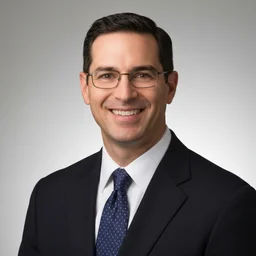
Board-Certified Physician & Medical Licensing Exam Expert
Harvard Medical SchoolDr. Michael Reynolds is a board-certified internist and Fellow of the American College of Physicians with an MD from Harvard Medical School and a Master of Science in Medical Education. With 18 years of clinical and academic medicine experience, he specializes in USMLE Step 1, Step 2, and Step 3 preparation, internal medicine board certification, and medical specialty licensing examinations.
Join the Discussion
Connect with other students preparing for this exam. Share tips, ask questions, and get advice from people who have been there.
View discussion (9 replies)